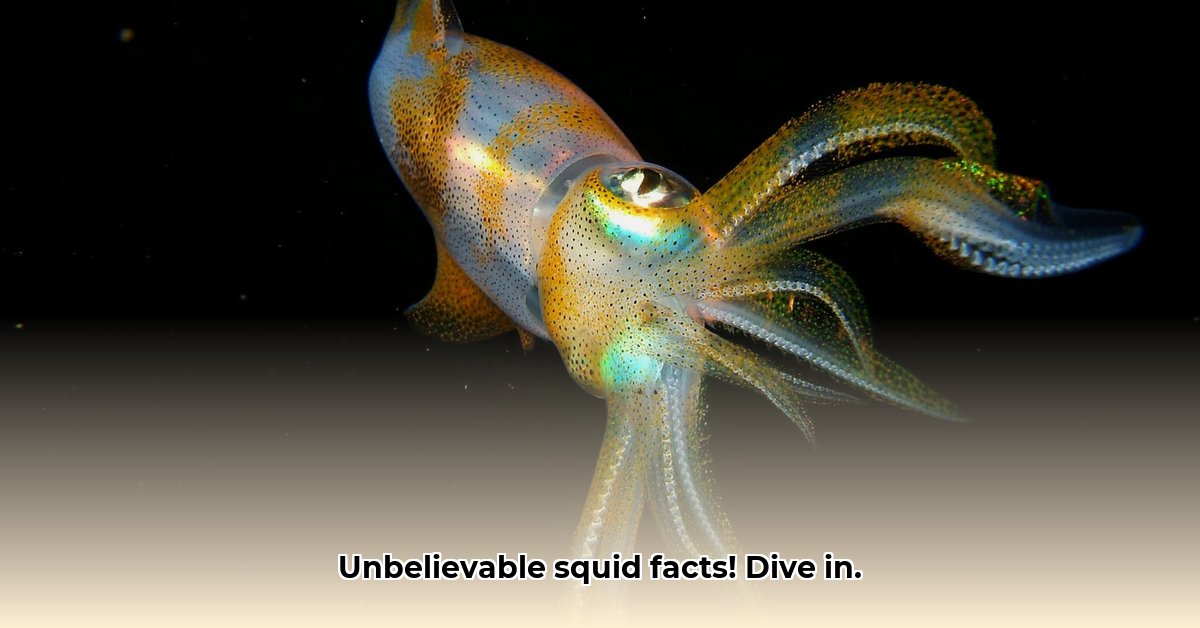
Cephalopod Diversity: A World of Squid
Ever wondered about the mind-boggling variety of squid inhabiting our oceans? It's a surprisingly complex question, even for marine biologists! While estimates place the number of squid species around 300, pinpointing an exact figure proves incredibly challenging. Many species reside in the deep ocean, making comprehensive research difficult. This vast diversity encompasses a spectrum of sizes, from tiny miniatures smaller than your thumbnail to colossal giants. This remarkable variation highlights the intricate adaptations suited to diverse marine habitats, ranging from sunlit shallows to the crushing depths of the abyssal plains. Consider this—some squid prefer the sun-drenched coastal regions, while others thrive in the perpetual darkness of the deepest trenches, proving their resilience and adaptability to a range of environmental conditions.
Squid Habitats: From Coastline to Abyss
Squid are found in all the world's oceans, but their distribution isn’t uniform. Higher concentrations are typically observed near the equator, where warmer waters and abundant nutrients provide a rich food source. The number of squid species naturally decreases as you move towards the poles. However, different species have adapted to different environments. Some prefer the shallows near the coast, while others roam the open ocean, covering vast distances in their migrations. And then there are the deep-sea squid, inhabiting the crushing pressure and near-total darkness of the deepest ocean trenches. Their ability to survive in these extreme environments is testament to their remarkable evolutionary resilience. How do they even manage to survive under such pressure?
Squid Superpowers: Adaptations for Survival
Squid possess a remarkable array of adaptations that contribute to their survival. Their ability to rapidly change colour using chromatophores (tiny pigment sacs) allows for exceptional camouflage, facilitating both ambush predation and evasion of predators. “It’s like they have a built-in suit of armour,” explains Dr. Anya Sharma, Marine Biologist at the University of Cape Town. Their jet propulsion system, powered by expelling water, enables bursts of incredible speed, essential for both hunting and escaping danger. Bioluminescence, the production of light, plays a crucial role in communication, attracting mates, and confusing predators in the deep-sea environment. This impressive range of adaptations demonstrates their remarkable success in various marine ecosystems.
Squid's Role in the Ocean Ecosystem
Squid occupy a pivotal position within the marine food web. Many are active predators, feeding on fish, crustaceans, and even other squid. Their stealth and speed, coupled with their camouflage capabilities, make them highly effective hunters. However, they also serve as a crucial prey species for larger animals such as whales, dolphins, and sharks. This predator-prey relationship helps maintain ecological balance, ensuring stability within the marine community. The presence or absence of healthy squid populations significantly impacts the dynamics of their respective ecosystems.
The Threats to Squid: A Looming Crisis
Squid populations face numerous challenges, largely stemming from human activities and climate change. Overfishing, driven by high demand, depletes populations faster than they can recover. Pollution contaminates their habitats, disrupting their life cycles and creating further stress. Climate change, with its associated shifts in ocean temperature and currents, impacts squid food sources and breeding grounds. These threats act as a formidable challenge for squid populations across our oceans.
How to sustainably manage cephalopod fisheries globally: A Collaborative Effort
Sustainable management of global squid fisheries necessitates collaborative action from various stakeholders. The Global Squid Roundtable (GSR) is a significant initiative working towards this, however, challenges remain. It requires a multi-pronged approach involving transparent and traceable supply chains from the industry, effective regulations and enforcement from governments, research and education from NGOs, and responsible consumption choices from communities globally. The complex interplay between global trade and local ecosystems requires strong international cooperation and effective stock assessments for the long-term preservation of squid populations.
The Future of Squid: Research & Conservation
Further research is crucial for understanding the complex dynamics of global squid populations and their vulnerabilities. Improved stock assessments and effective monitoring strategies are essential for responsible management. Strengthened international cooperation is necessary to protect these shared marine resources. The future health of squid populations, and indeed the health of our oceans, rests upon our collective action and commitment to sustainable practices.
Squid Taxonomy: A Closer Look
Squid belong to the class Cephalopoda, order Teuthida, distinguished by their elongated bodies, ten arms (with two longer tentacles), and usually an internal shell. They inhabit all oceans, at various depths, predominately feeding on fish and crustaceans. This taxonomic framework highlights their unique place within the animal kingdom, underlining the significance of their conservation. The vast diversity within this order necessitates ongoing research to fully understand this critical component of our marine environments.